














Define a Clear Objective:
- Start with a well-defined goal for the AI to achieve.
- Example: "Describe the impact of AI on modern healthcare systems."
Provide Contextual Information:
- Offer background details such as the audience, industry, or specific examples.
- Example: "For a presentation to healthcare professionals, focusing on AI in diagnostics."
Specify the Desired Format:
- Clearly outline how you want the response to be structured.
- Example: "Summarize the key points in a bullet list."
Indicate Tone and Style:
- Mention the tone (formal, casual, persuasive) and style you prefer.
- Example: "Adopt a formal tone suitable for an academic audience."
Ask Follow-Up Questions:
- Prepare follow-up queries based on the AI's response to refine the output.
- Example: "Can you elaborate on the ethical implications mentioned?"
Iterate and Refine:
- Adjust your prompt based on the AI’s output for improved results.
- Example: "Add more data and case studies to support the argument."
Provide Examples or Analogies:
- Use examples or analogies to clarify complex concepts for better AI understanding.
- Example: "Explain blockchain technology by comparing it to a digital ledger."
Set Boundaries and Constraints:
- Define the limits of the response, such as word count or focus areas.
- Example: "Limit the explanation to 300 words, focusing on data security."

Related Resources
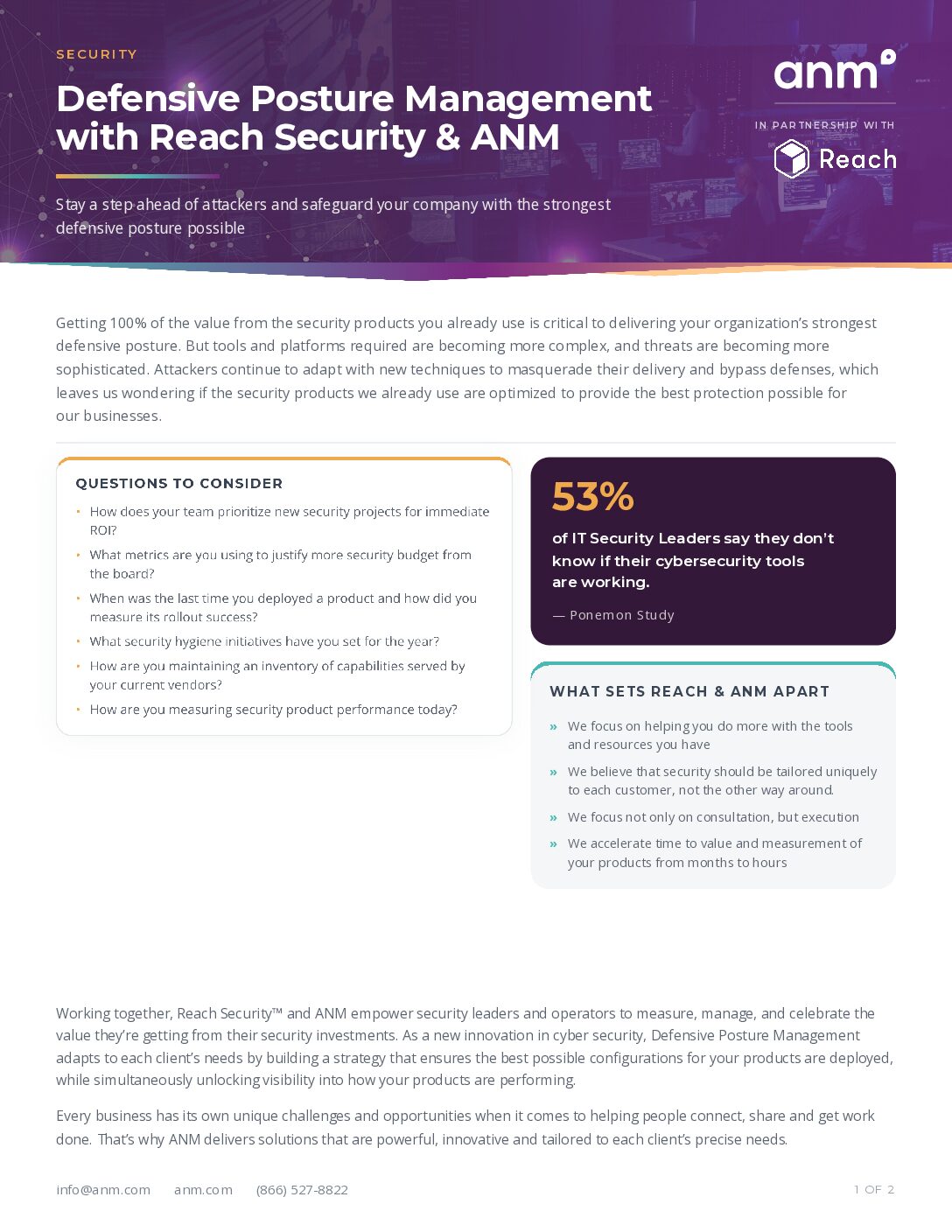
Defensive Posture Management with Reach Security & ANM
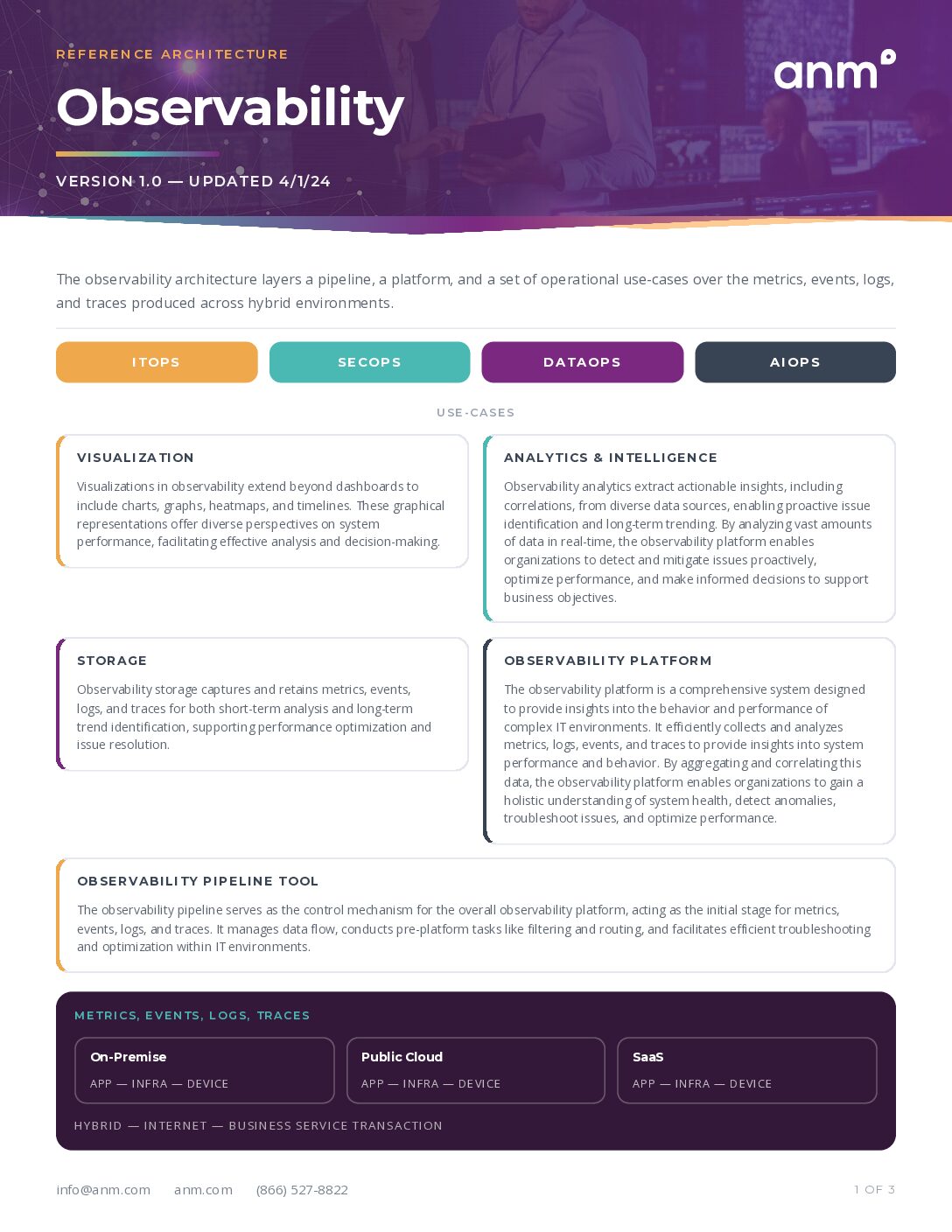
Observability

Cisco UCS Health Check
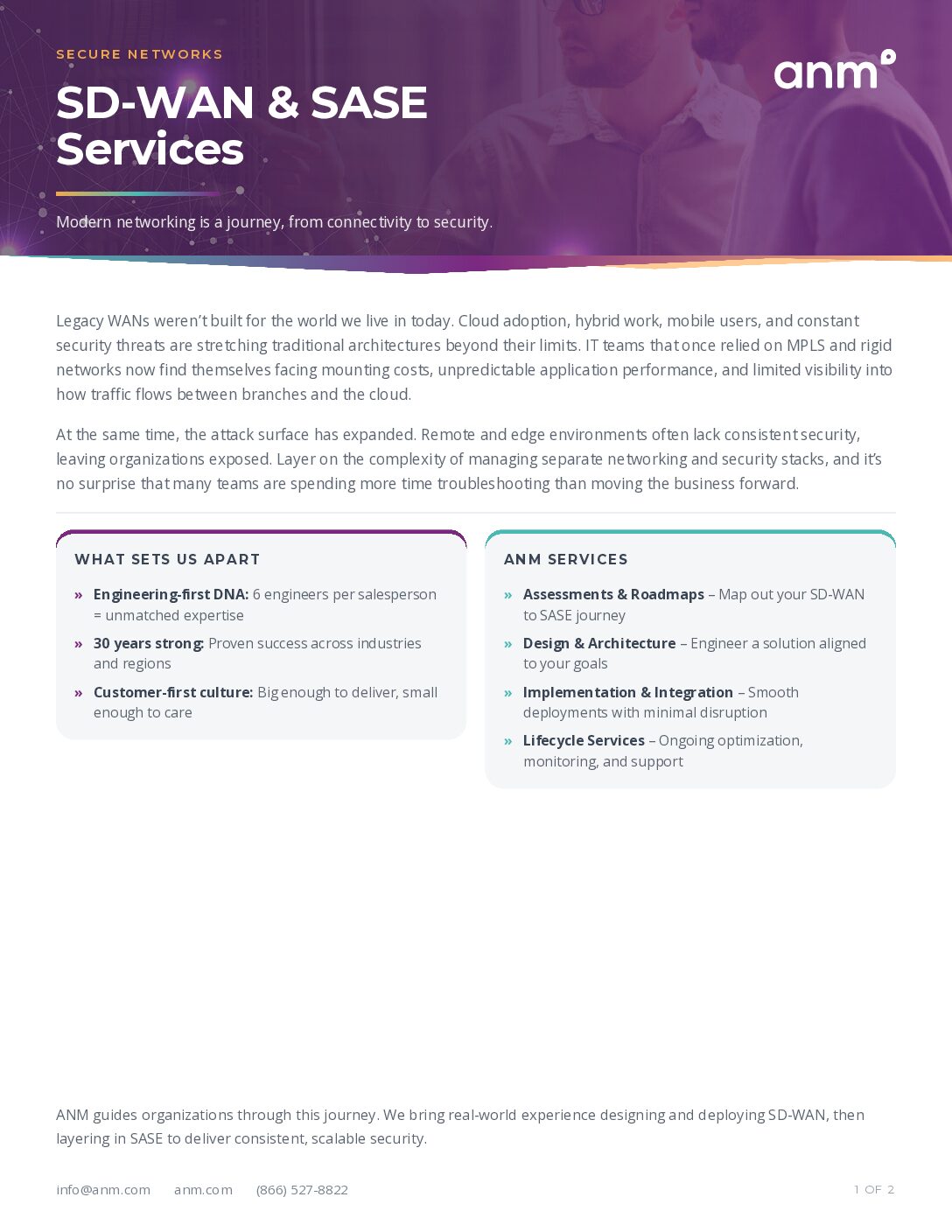
SD-WAN & SASE Services
No results found.